
I recently watched The Residence, whose detective is an avid birdwatcher. With all the birds introduced in the show, I thought we could catch the tail end of birdwatching season by paying attention to window collisions, an often overlooked killer of birds. (BTW, the pacing is great. I really enjoyed it—recommended!)

· What is a bird collision?
A bird collision happens when a bird flies into a human-made object and is injured or killed. Because of the particular structure of their eyes, birds cannot form a stereoscopic image and have a relatively limited ability to distinguish obstacles ahead. When glass reflects the sky or trees, they can mistake the reflection for open space, see no danger, and fly straight into the surface, suffering serious injury or death.
In China, bird collisions are both frequent and widespread.
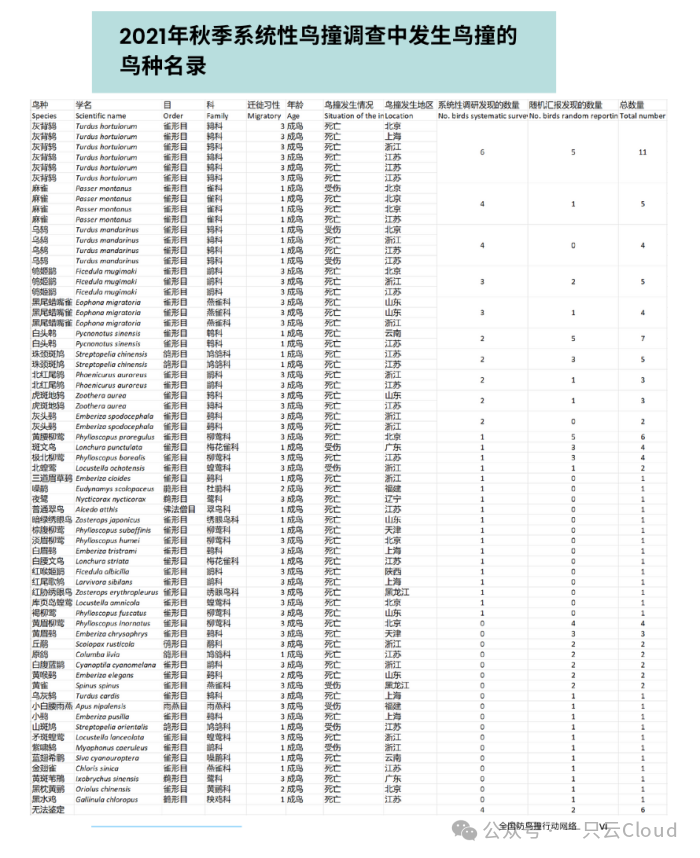
From the 2022 Annual Report of the China Bird Collision Prevention Network: https://www.dukekunshan.edu.cn/wp-content/Bird-collisions-2021-22-annual-report.pdf
Studies estimate that window collisions kill between 16 million and 42 million birds each year in Canada. In the United States, the figure may be an astonishing 365 million to 988 million. These collisions pose a serious threat to bird populations worldwide and have far-reaching consequences for people, too. Their frequency points to a profound ecological crisis.
· Action close to home
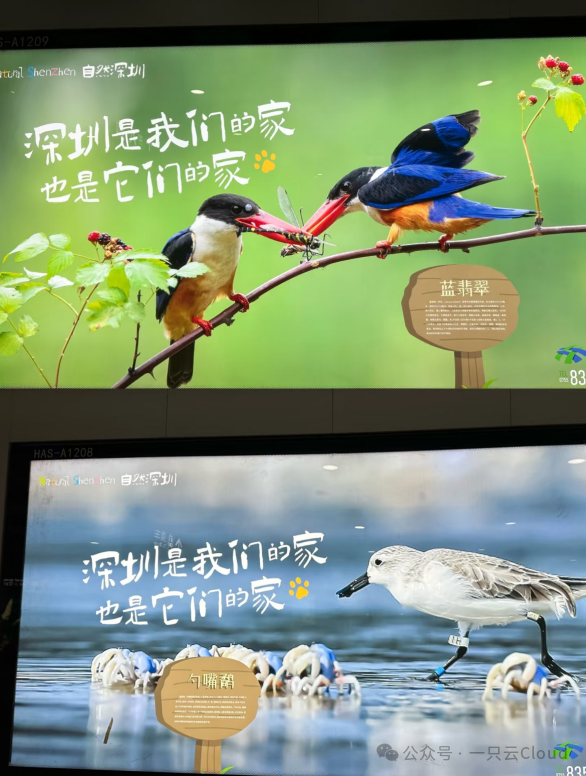
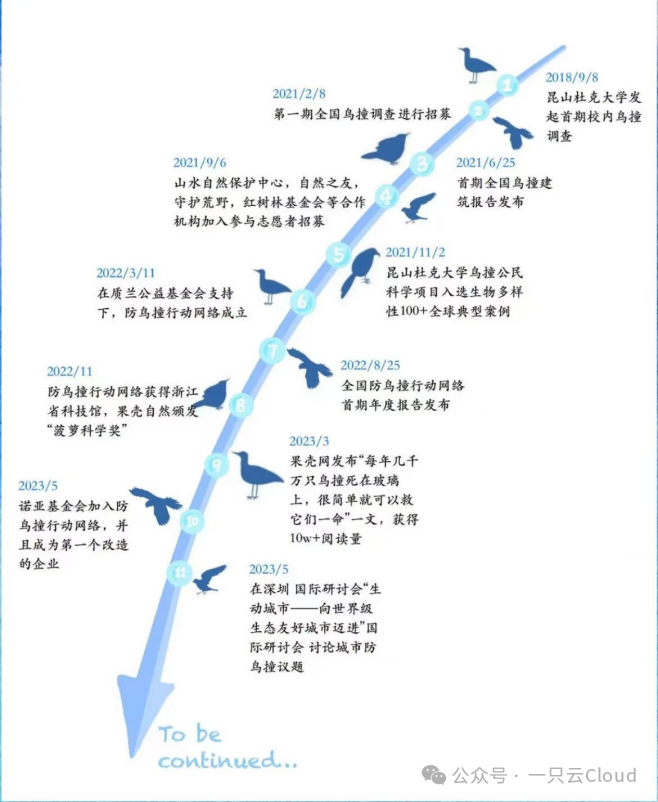
As a wetland guardian with the Mangrove Conservation Foundation (MCF), I have noticed more and more members of the public and volunteers joining efforts to prevent bird collisions in recent years. One example is Shenzhen Metro’s bird protection campaign, launched in 2023:
“Shenzhen is not only the place we call home. It is also a habitat for other living beings and species.”
So, what can we do for the birds around us?
1. Apply specially designed reflective decals
Use reflective decals or markings on windows to help birds recognize the glass, make it more visible, and prevent collisions.
2. Install curtains, screens, or blinds
These can reduce reflections and help birds recognize windows as barriers.
3. Keep lights on for fewer hours at night
Nighttime is a particularly risky period. Migratory birds navigate by the stars, and light pollution in cities can disorient them and draw them toward glass. (So going to bed early is good for you and for nature!)
4. Take part in public bird collision surveys
If you witness a collision, search WeChat for the “Bird Collision Prevention Network” public account, then choose “Join Us” → “Upload an Incidental Collision Record” from the menu. Your observation can contribute to bird protection.

I also hope you will follow local birdwatching organizations to learn more about bird collisions and the lives of birds.
If you would like to help protect birds, here are some organizations I know personally, along with a few recommended articles:
· Friends of Nature is a Chinese nongovernmental environmental organization established in 1993, and one of the country’s earliest environmental nonprofits.
· China Bird Collision Prevention Network is a collaborative citizen science project that uses scientific surveys and public participation to reduce deaths caused by collisions with glass buildings.
Recommended reading:
Protecting Migratory Birds: Know the High-Risk Periods and Take Action!
Saving Birds from Window Collisions: What You Can Do Beyond Decals
Don’t Let Bird Collisions Leave a Scar on Our Cities
· Mangrove Conservation Foundation (MCF) is China’s first privately initiated environmental foundation authorized to raise funds from the public.
Recommended reading
Join a Bird Collision Survey and Help Fill the Gaps in Shenzhen’s Data
MCF 2025 Giving Guide | Act Now to Bring Wetlands Back to Life
· Environmental studies at Duke Kunshan University
Recommended reading
Protecting the Freedom to Fly: China Bird Collision Prevention Network 2024 Annual Report